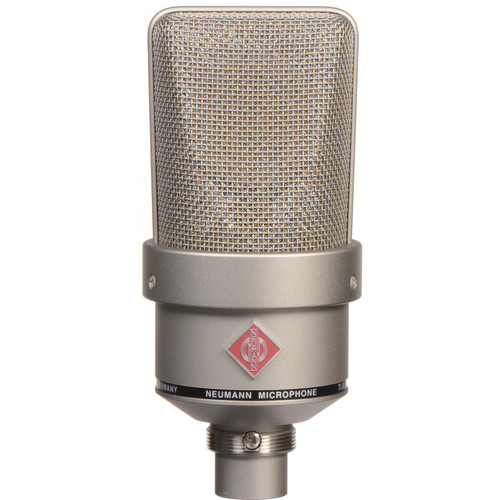
Neumann TLM 103
Large-diaphragm cardioid studio condenser with U 87-derived capsule, transformerless circuitry, 7 dB-A self-noise, 138 dB max SPL, and presence lift.
$1,195.00
Product Details
The Neumann TLM 103 is a large-diaphragm cardioid condenser microphone that brings the classic Neumann sound to project studios, broadcast, and professional recording. Its capsule is derived from the legendary U 87, paired with transformerless circuitry for a direct, uncolored sound, an extremely low 7 dB-A self-noise, and the ability to handle 138 dB without distortion. Since 1997 it has become a studio classic in its own right.
Highlights
- Large-diaphragm capsule derived from the U 87 (K 67/87)
- Cardioid pattern for focused pickup
- Extremely low 7 dB-A self-noise
- Handles up to 138 dB SPL
- High 23 mV/Pa sensitivity for clean results with any preamp
- Transformerless output stage; includes swivel mount and wooden box
Neumann TLM 103: A Modern Studio Classic
The TLM 103 combines the authoritative midrange Neumann is known for with a slightly more modern voicing, including a wide presence boost above 5 kHz. Vocals and solo instruments sit forward in the mix with little effort, while a deep but controlled low end flatters rich voices and bass instruments.
Exceptionally Quiet and Sensitive
With self-noise of just 7 dB-A, the TLM 103 is among the quietest microphones available, and its high sensitivity of 23 mV/Pa means even budget preamps and interfaces deliver clean, quiet recordings. A dynamic range of 131 dB captures everything from a whisper to a kick drum.
Setting Up the TLM 103
Mount the mic on a sturdy stand with the included swivel mount or an optional shock mount, add a pop filter for vocals, and connect it with a balanced XLR cable. Turn on 48V phantom power, position the front of the capsule toward the source, and set your preamp gain.
What to Pair With the TLM 103
Pair the TLM 103 with the Neumann EA 1 shock mount, a pop filter, a quality audio interface or preamp, closed-back headphones, and an acoustic treatment panel or vocal booth.
Applications
Designed for project studios and broadcast, the TLM 103 quickly earned a place in top studios as a modern alternative to the U 87 for speech, vocals, drums, guitar amps, and piano. It’s also used as a spot mic for cello and double bass in classical recording.
Transformerless Clarity
As a TLM-series microphone, the TLM 103 uses a transformerless output stage that minimizes transmission losses and keeps bass clear and powerful even at the highest signal levels.
Voice-Over and Podcasting
Its low noise and presence lift make the TLM 103 a favorite for voice-over, audiobooks, and podcasts, where every word needs to be clear and intimate without added hiss.
TLM 103 vs. TLM 102
The TLM 102 is smaller and more affordable with higher SPL handling, while the TLM 103 offers lower self-noise, higher sensitivity, and a capsule derived from the U 87 for a fuller, more classic Neumann sound.
Neumann TLM 103 FAQ
Does it need phantom power? Yes. It requires 48V phantom power.
What polar pattern does it have? Cardioid.
Neumann TLM 103 Specifications at a Glance
- Type: large-diaphragm condenser
- Polar pattern: cardioid
- Frequency range: 20 Hz-20 kHz
- Sensitivity: 23 mV/Pa
- Self-noise: 7 dB-A
- Max SPL: 138 dB (0.5% THD)
- Weight: approx. 450 g
- Power: 48V phantom
Who Buys the Neumann TLM 103
- Recording and project studios
- Vocalists and producers
- Voice-over and broadcast
- Podcasters
Why Buy the Neumann TLM 103 From Metro Sound & Lighting
Metro Sound & Lighting isn’t a catalog-only retailer. We design, install, and service audio and recording systems in-house, so our team can help you build a professional vocal chain and support it after the sale. We offer B2B and integrator pricing for studios, churches, and schools.
Browse more options in our Studio Microphones category, or see the full specifications on the official Neumann TLM 103 product page.
Additional information
| Type | Large-Diaphragm Condenser |
|---|---|
| Polar Pattern | Cardioid |
| Self-Noise | 7 dB-A |
| Max SPL | 138 dB |
| Sensitivity | 23 mV/Pa |
| Power | 48V Phantom |