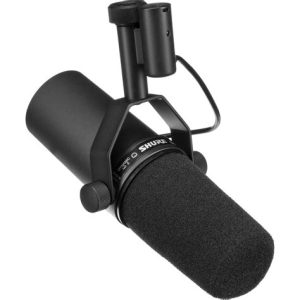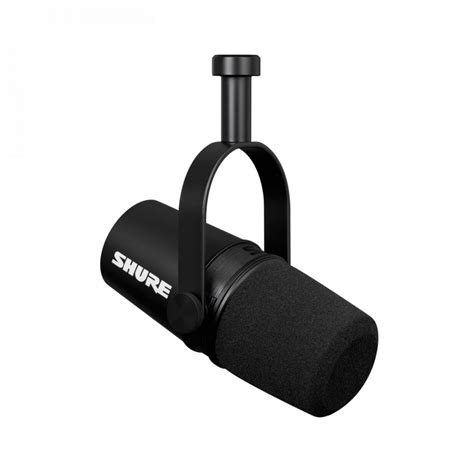
Shure MV7X
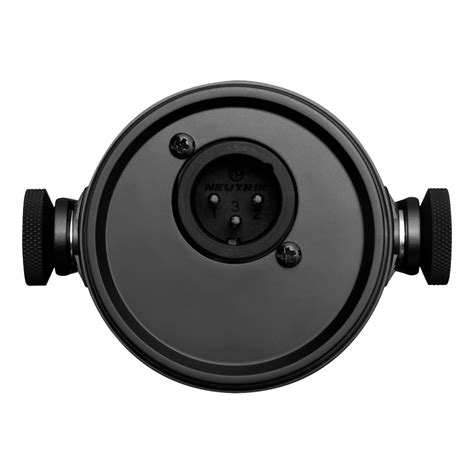
XLR-only cardioid dynamic broadcast microphone with Voice Isolation Technology and an optimized frequency response for rich, natural vocals. Black finish.
$199.00
Product Details
The Shure MV7X is the XLR-only version of the popular MV7, built for podcasters and broadcasters who already use a mixer or audio interface. It keeps the MV7’s voice-focused dynamic element and SM7B-inspired design while dropping the USB electronics, giving you a rugged, straightforward broadcast microphone at a lower price.
Highlights
- XLR output for any mixer, audio interface, or recorder
- Highly directional cardioid dynamic element with Voice Isolation Technology
- Optimized frequency response for rich, natural vocals with a pleasing proximity effect
- All-metal construction for long-term reliability
- Adjustable integrated yoke fits standard 5/8″-27 stands and boom arms
Shure MV7X: Broadcast Sound for XLR Setups
If your studio is built around a mixer like the RODECaster, a multichannel interface, or a broadcast console, you don’t need a USB microphone. The MV7X gives you the voice-tailored tone of the MV7 over a standard XLR connection, so it drops straight into an existing multi-mic podcast or radio setup.
The tight cardioid pattern focuses on the talker in front of the mic and rejects other voices, room reflections, and background noise. In multi-host shows, that isolation keeps each host’s channel clean and makes editing much easier.
MV7X vs. MV7: Which Do You Need?
The MV7X and MV7 share the same dynamic element and shape. The difference is the electronics. The MV7 adds USB, a touch panel, a headphone jack, and onboard DSP through the ShurePlus MOTIV app. The MV7X is XLR-only and relies on your mixer or interface for gain, monitoring, and processing. If you already own that gear, the MV7X is the simpler, more affordable choice.
MV7X Setup Tips
As a dynamic microphone, the MV7X needs a preamp with good clean gain. Most modern podcast mixers and interfaces handle it well; if you hear noise at high gain settings, an inline preamp can help. Position the mic a few inches from your mouth, speak into the end of the mic, and use a boom arm to keep the distance consistent.
Building a Multi-Mic Podcast Studio Around the MV7X
Because it is affordable and XLR-only, the MV7X is a natural choice when you need several matching microphones. A typical two- to four-host studio pairs an MV7X for each seat with a podcast mixer or multichannel interface, a boom arm per host, and closed-back headphones with a headphone amplifier so everyone can hear the mix. Matching microphones give every host the same tone, which makes the show sound cohesive and saves time in editing.
The MV7X’s tight cardioid pattern also helps with bleed between hosts sitting at the same table. Keep each mic close to its talker, angle the mics away from one another, and you will hear far less crosstalk on each channel.
Shure MV7X Specifications at a Glance
- Type: dynamic (moving coil)
- Polar pattern: cardioid
- Frequency response: 50 Hz to 16 kHz
- Sensitivity: -55 dBV/Pa at 1 kHz
- Output impedance: 252 Ω at 1 kHz
- Connector: XLR
- Mounting: 5/8″-27 thread
- Weight: 0.55 kg (1.21 lb)
Who Buys the Shure MV7X
- Multi-host podcasts running into a dedicated podcast mixer
- Radio stations and broadcast studios
- Streamers upgrading to an audio interface
- Churches and schools adding microphones to an existing console
Why Buy the Shure MV7X From Metro Sound & Lighting
Metro Sound & Lighting isn’t a catalog-only retailer. We sell, install, and service pro audio in-house, so we can help you pair the MV7X with the right mixer, interface, and boom arms, and support your setup after the sale. We build complete podcast and broadcast studios for businesses, churches, and schools, with B2B and integrator pricing on volume orders.
Browse more options in our Podcast Microphones category, or see the full specifications on the official Shure MV7X product page.
Additional information
| Polar Pattern | Cardioid |
|---|---|
| Transducer | Dynamic (moving coil) |
| Frequency Response | 50 Hz – 16 kHz |
| Sensitivity | -55 dBV/Pa |
| Output Impedance | 252 Ω |
| Connector | XLR |
| Weight | 0.55 kg (1.21 lb) |